
How daily reader books can transform your year
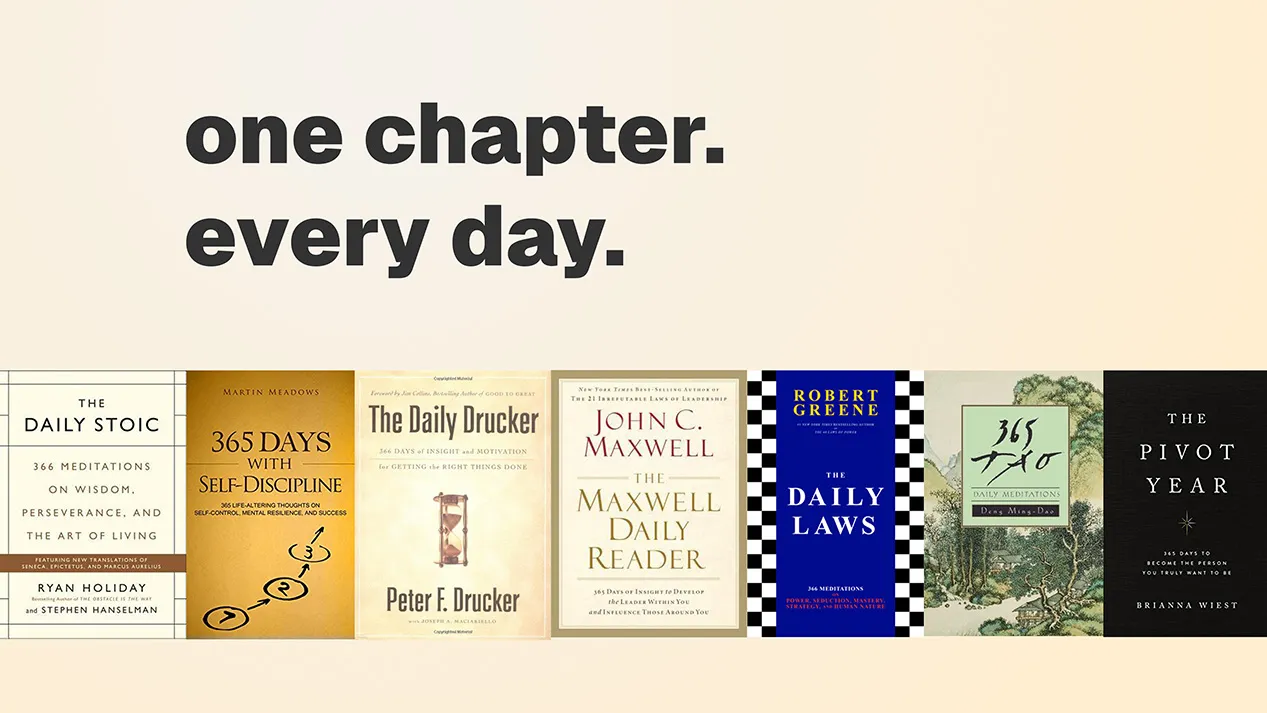
There is a unique genre of books that most people have never heard about. The concept is simple — a book designed to be read one chapter per day for a whole year. This extra daily habit has surprising implications for living a better, more mindful, yet productive life.
I first heard about this concept at a Personal Development Club. Just before the Christmas break, a couple of members gave a talk about their experience reading a chapter a day from a book for a whole year. They praised the many benefits and agreed to do it again the following year. The book in question was “The Daily Stoic” by Ryan Holiday, which we will get back to shortly. At the time, the prospect sounded interesting, but I didn’t think much of it.
Daily reading of individual “chapters” is deeply rooted in theological practices where, historically, followers read prayers, meditations, and devotions in the morning. A number of modern daily reader books are religious in nature, but I have mostly kept to secular titles.
One could argue that almanacs (derived from the Greek word for calendar) were the true predecessors to the daily reader book. They were meant to give practical information about each day of the year, as well as broader cultural developments. This could include the weather forecast, sunrise and sunset times, and scientific advancements. A famous example of this genre is Benjamin Franklin’s “Poor Richard’s Almanack”. Interestingly, Franklin did include moral advice in his publication. In my opinion, despite their social commentary, almanacs are informational first, educational and entertaining second. That is in contrast to modern daily reader books.
The first secular book in the “366 days” genre is likely “A Calendar of Wisdom”. Written by Leo Tolstoy in 1911, it contains insights from historical figures such as Marcus Aurelius, Lao-Tzu, Buddha, Jesus, Muhammad, Confucius, Kant, Socrates, Thoreau, and others. While some of these names are religious figures, Tolstoy was explicitly anti-dogmatic and critical of institutional religion.
These types of books, and the unique approach to reading them, offer many advantages beyond the content they provide. In fact, the content has often been the most disappointing part of going through such books. I’ve tried to outline my positive experiences below:
I have read a 366-day book every single year since 2019 — a total of six completed books and one in progress. Below is a list of the books I have read, along with a short note about each. Keep in mind that I went through these years ago and don’t have detailed notes on each, so I might be a bit biased.
The Daily Stoic: 366 Meditations on Wisdom, Perseverance, and the Art of Living - Holiday, Ryan
4/5
The fist book of this type I ever read. It is probably the most popular one in the genre. Stoic ideas are great, Holiday’s interpretations - not so much.
The Daily Drucker: 366 Days of Insight and Motivation for Getting the Right Things Done - Peter F Drucker
2/5
The books is about management practices and even though the author is prolific, I did not enjoy this one as much.
The Maxwell Daily Reader: 365 Days of Insight to Develop the Leader Within You and Influence Those Around You - John C Maxwell
4/5
Another book about leadership and management. I would recommend this one over the Drucker book.
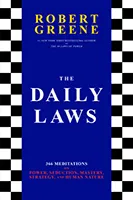
The Daily Laws: 366 Meditations - Robert Greene
3/5
I am not a huge fan of Robert Greene, but there was some interesting and well-researched content in the book.
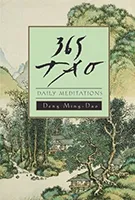
365 Tao: Daily Meditations - Living in Harmony with Self and Universe Through the Taoist Way - Ming-Dao Deng
4/5
If you like Taoism or Eastern teachings, this would be a great read. However, the author sometimes expresses more mystical and religious beliefs without much backing for the claims.
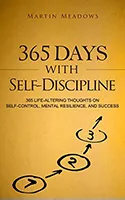
365 Days With Self-Discipline - Martin Meadows
3/5
It is a reasonably enjoyable read, but you can tell that the author was rushing some chapters, as they feel under-researched and a bit sloppy.
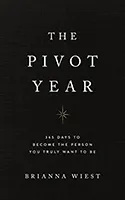
The Pivot Year - Brianna Wiest
I am still in the process of reading this book. It is a bit over the top with the spiritual dogma, but apart from that, it is good so far.
To round off this post, I want to reiterate what this daily reader book practice is all about. Firstly, you don’t need to start reading the book on the 1st of January, although I find it helps with both motivation and ease of chapter tracking. You don’t need to read only a single chapter a day, although doing more seems counterproductive and defeats the purpose of the genre. And finally, you don’t even need to pick a specific book designed for daily reading. Any book with reasonably short chapters spread consistently can work for this challenge.
In a world obsessed with optimization and instant gratification, daily reader books offer a quiet, yet powerful commitment to a habit whose effects ripple far beyond the pages of the book itself.

 Join the Discussion